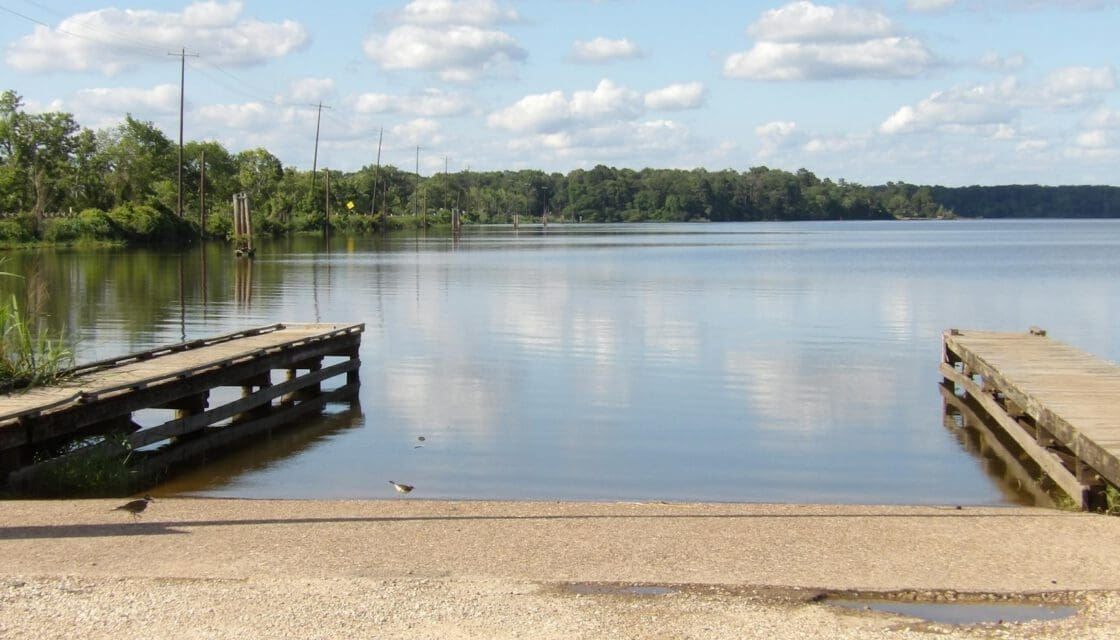
If you’re within two hours of Houston and you want real camping — the kind where your kids actually unplug, where you hear owls at night and catch fish in the morning — Lake Livingston State Park keeps coming up in every East Texas trip report I’ve read. Sitting on the shores of one of the largest lakes in Texas, this 635-acre park in the Pineywoods region punches well above its weight for families. The combination of fishing, a swimming pool, hiking through actual pine forest, and a Junior Ranger program means there’s something to keep every age in your crew occupied. Here’s everything I’d want to know before loading up the truck.
Why Lake Livingston Is Actually Worth the Drive
About 75 miles north of Houston on Park Road 65 in Livingston, this park sits on the eastern arm of Lake Livingston — a 90,000-acre reservoir that’s one of the primary water supplies for Houston. The size of the lake is the first thing that surprises people. You expect a pond; you get something that genuinely feels like a coastal bay on a windy day.
The Pineywoods setting is the real draw for families coming from the Houston metro. Most state parks within easy range of the city are coastal or prairie. Lake Livingston gives you dense pine canopy, which means natural shade even in summer, and that changes the calculus on a hot day significantly. Add a dedicated swimming pool (not just a lake wade-in), a full-service marina, and a park store with fishing supplies, and the infrastructure is there for a first-time camping family to actually succeed without hauling in every piece of gear they own.
For school-age kids especially, the Texas Parks and Wildlife Junior Ranger program here is worth building your schedule around. Kids earn a badge by completing activities tied to the park’s natural and cultural resources. I’ve read multiple trip reports where parents say it was the unexpected highlight — kids were engaged and proud in a way that a simple swim wouldn’t have produced.
What to Expect (The Real Version)
The pine tree canopy throughout the park is genuinely good. Visitor reports consistently mention shade as one of the park’s strengths, and that tracks with what the Pineywoods ecosystem delivers. Your camping sites and picnic areas are going to feel meaningfully cooler than exposed coastal parks in the same heat.
That said, summer heat is still real. July average highs around 94°F, and with East Texas humidity added in, it’s not casual. The mosquitoes in summer are aggressive — multiple trip reports call this out specifically. Long sleeves at dusk, DEET-level bug spray, and a bug net for the campsite are not optional; they’re essential. Pack them like you’d pack sunscreen for the beach.
The alligator situation deserves a straight answer, not a buried footnote. Alligators live in this area. TPWD posts official safety guidance throughout the park. The rule is simple but non-negotiable: keep your kids away from the water’s edge anywhere outside the designated swim area. The swimming pool exists precisely so families have a safe place to get in the water. Use it. Scenic shoreline photos and casual wading in non-designated areas are not worth the risk, and this park doesn’t hedge on that in their signage.
Weekends from spring through fall fill up fast — and “fill up” means the park reaches full capacity and turns people away at the gate. This is not an exaggeration. If you’re planning a camping trip on a holiday weekend or any summer Saturday, you book months in advance or you don’t go. Day-use reservations are also strongly recommended in peak season. Showing up without a reservation on a Memorial Day weekend is a very long drive home.
One honest limitation: the park store hours (8:30 a.m. – 4:30 p.m.) mean you can’t rely on it for late-night snack runs or early-morning forgotten gear. Plan your supply list before you leave home and restock in the city of Livingston if you need anything beyond basics.
Logistics at a Glance
| Detail | The Info |
|---|---|
| Parking | Parking available within the park; day-use entry fee ($6/adult) covers park access. Dedicated parking lot fees not confirmed — check TPWD site before arrival. Overflow situation on peak weekends can be tight. |
| Bathrooms | Restroom facilities available throughout the park; screened shelters with ADA access confirmed for camping areas. Flush toilets at main facilities — verify specific site amenities when booking. |
| Stroller Rating | Moderate. Paved areas and picnic zones are manageable. Trail shade coverage and surface accessibility — verify specifics with TPWD before your trip if accessibility is a priority. |
| Best Age Range | All ages welcome; school-age kids (5+) get the most out of fishing, hiking, swimming, and Junior Ranger. Toddlers do well at picnic areas and the pool with supervision. |
| Admission | Day use: $6/adult; children 12 and under free. Texas State Park Pass accepted. Camping: approximately $14–$37/night depending on site type and season. Book at texasstateparks.reserveamerica.com or call (512) 389-8900. |
| Peak Crowd Times | Spring, summer, and fall weekends. Summer holiday weekends reach full capacity — reserve well in advance. Weekday visits in shoulder seasons are the sweet spot. |
What I’d Do Differently
Book camping mid-week if your schedule allows. Weekend reservations at Lake Livingston get snapped up fast, especially May through September. If you can swing a Thursday–Saturday stay instead of Friday–Sunday, you’ll have an easier booking window and a noticeably less crowded park experience. The fishing is also better when the boat traffic isn’t constant.
Arrive at the marina early and buy bait there. The park store sells fishing supplies and the marina operates daily (8:30 a.m. – 4:30 p.m.) — but stock can be limited, and once it’s gone, your nearest alternative is town. If fishing is a central part of the trip, bring your own backup gear and bait, and get to the marina when it opens. Lake Livingston is a legitimate bass, catfish, and crappie fishery; this is not a novelty cast-once-and-be-done situation for kids who take to it.
Build the mosquito defense into your packing list, not your afterthought list. East Texas bugs are humbling. DEET-based repellent, a plug-in mosquito repeller for your screened shelter, and a head net if you’re hiking near water at dusk. I’ve seen trip reports where families cut visits short because they underestimated this. Don’t be that family.
Check hours before you go — seasonally, things shift. The park itself is open daily 6:00 a.m. to 10:00 p.m., but the store and marina hours (8:30 a.m. – 4:30 p.m.) can change seasonally. Confirm directly at tpwd.texas.gov/state-parks/lake-livingston before your trip rather than assuming summer hours apply year-round.
Factor in the Junior Ranger program from the start. Don’t treat it as a rainy-day backup activity. Pick up the materials when you arrive and build the day around completing them. Kids who have a structured goal stay engaged longer and complain less about heat. It’s one of those park features that works better the earlier in the trip you start it.
Nearby Eats & Pit Stops
The park store covers snacks, drinks, ice, and basic camping supplies — that’s your on-site food situation. There’s no restaurant in the park, and no outside food vendors confirmed at the grounds. For a real meal, you’re heading into Livingston proper.
The city of Livingston (the county seat of Polk County) is a short drive from the park entrance and has the full range of small-town Texas dining you’d expect — a mix of local diners, barbecue spots, fast food chains, and a Walmart if you need to restock supplies. It’s worth driving through town on arrival to note your options before you’re hungry and making decisions under pressure with impatient kids in the back seat.
If you’re coming from Houston, the drive up US-59 North gives you plenty of food options to stop at on the way in. Loading the cooler before you arrive and doing any restaurant meals as a deliberate outing into Livingston is a cleaner strategy than trying to wing dinner near a state park with no nearby dining cluster.
Frequently Asked Questions
Is Lake Livingston State Park worth it for families with kids?
About 75 miles north of Houston on Park Road 65 in Livingston, this park sits on the eastern arm of Lake Livingston — a 90,000-acre reservoir that’s one of the primary water supplies for Houston. The size of the lake is the first thing that surprises people. Read the full guide above for the honest logistics breakdown before you decide.
Is Lake Livingston State Park stroller friendly?
Moderate. Paved areas and picnic zones are manageable. Trail shade coverage and surface accessibility — verify specifics with TPWD before your trip if accessibility is a priority.
What age range is Lake Livingston State Park best for?
All ages welcome; school-age kids (5+) get the most out of fishing, hiking, swimming, and Junior Ranger. Toddlers do well at picnic areas and the pool with supervision.
How much does Lake Livingston State Park cost for families?
Day use: $6/adult; children 12 and under free. Texas State Park Pass accepted. Camping: approximately $14–$37/night depending on site type and season. Book at texasstateparks.reserveamerica.com or call (512) 389-8900.
When is the best time to visit Lake Livingston State Park with kids?
Spring, summer, and fall weekends. Summer holiday weekends reach full capacity — reserve well in advance. Weekday visits in shoulder seasons are the sweet spot.
Before you pack the car: Grab our free Ultimate Texas Weekend Packing List — it’s the checklist we wish we’d had for every trip. [Grab the Free Packing List]
Lake Livingston State Park sits in a stretch of East Texas that rewards families who explore beyond the single destination. If the Pineywoods got its hooks in your kids, the trails and creek crossings of Sam Houston National Forest with Kids are a natural next stop — more terrain, more wildlife, and a bigger canvas for the same instinct to explore. And if you want to combine fishing and wildlife watching with a genuinely wild alligator encounter done right, Brazos Bend State Park with Kids is the other East Texas benchmark that belongs on your list. Both are within range for a long weekend circuit that makes Houston’s proximity to serious nature very clear.
Leave a Reply