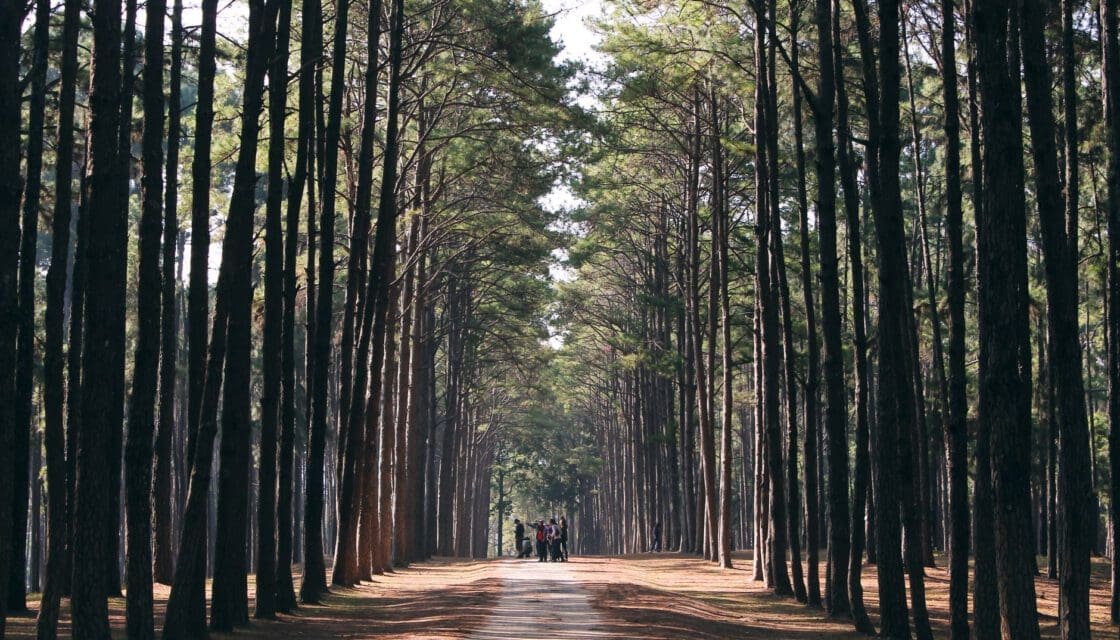
If you’ve been scrolling through state park options within two hours of the Austin metro and wondering if Bastrop State Park is actually worth it with kids — here’s the short answer: yes, absolutely, but go in knowing what you’re getting into. What pulls families here isn’t just any forest. It’s the Lost Pines, a biologically isolated stand of loblolly pines that has no business existing this far west of East Texas. Geologists and naturalists have been scratching their heads at it for decades. Your kids won’t care about that backstory, but they’ll feel the difference the moment you walk under that canopy — it’s cooler, quieter, and genuinely unlike anywhere else in Central Texas.
Why Bastrop State Park Is Actually Worth the Drive
Most Central Texas parks are gorgeous in their own way, but they’re also exposed — cedar, scrub oak, limestone ledges baking in full sun. Bastrop is different. The Lost Pines ecosystem wraps you in shade that actually functions, and the forest floor has a piney-woods texture that feels like you’ve teleported to East Texas without the four-hour drive. That matters a lot when you’re hiking with kids who have about a thirty-minute tolerance for exposed sun in July.
The park also carries serious history. The cabins, shelters, and refectory scattered throughout were built by the Civilian Conservation Corps in the 1930s — and they’re stunning. Stone and timber construction that’s held up nearly a century. Staying in one of those CCC-built cabins is a different experience from pitching a tent: real beds, walls, and a porch to watch the deer wander through at dusk. For families who want the camping experience without sleeping on the ground, this is the play.
Then there’s the recovery story. The 2011 Bastrop Complex Fire burned through more than 95% of the park. What you see today — the regenerating forest, the young pines coming back alongside native wildflowers — is an active ecological comeback. It’s honestly a powerful thing to show kids: what destruction looks like, and what resilience looks like, walking the same trail. Check the park’s active alerts page at tpwd.texas.gov/state-parks/bastrop/alert before you go, since wildfire and flood recovery efforts are ongoing and trail conditions can shift.
What to Expect (The Real Version)
Bastrop State Park is popular. Not “oh it was a little busy” popular — this park reaches capacity on weekends and during peak seasons, and TPWD will turn cars away at the gate when that happens. If you show up on a Saturday morning in April without a reservation, there’s a real chance you’re driving home. Reservations for both camping and day-use are strongly recommended. Book through ReserveAmerica online or call (512) 389-8900.
The trails here range from easy to moderate, and “moderate” means actual elevation change and uneven root-covered terrain — not brutal, but not stroller-friendly past the paved and flat areas. You’ll want a carrier for toddlers on anything beyond the picnic areas. Speaking of picnic areas, the shade from the pines is genuine and substantial, which makes midday stops more survivable than at most Texas parks.
Here’s the honest negative: there is no indoor air-conditioned visitor center confirmed at this park — verify that before you plan around it. On a July afternoon, that matters. The park store sells gifts and souvenirs, but don’t count on it for a full supply run or a sit-down break from the heat. Plan your lunch and snacks before you arrive. The city of Bastrop is about a mile west and has real restaurants and stores, which is your best backup option.
The swimming pool is a legitimate draw for summer trips, but it operates seasonally and requires a separate pool ticket on top of day-use admission. Hours and season dates change — check the park’s swimming pool information page directly before you build your trip around it. GPS note worth saving: plug in “Park Rd 1, Bastrop, TX 78602” rather than the full address to avoid navigation confusion.
Logistics at a Glance
| Detail | The Info |
|---|---|
| Parking | On-site parking available. Park reaches capacity frequently — reserve in advance at ReserveAmerica or call (512) 389-8900. |
| Bathrooms | Restrooms available in campground and picnic areas. Flush toilets at developed sites; verify current facilities at your specific site when booking. |
| Stroller Rating | Moderate. Paved and flat areas near picnic zones work; wooded trails have roots and uneven terrain. Carrier recommended for toddlers on hiking trails. |
| Best Age Range | All ages. Junior Ranger program available — ask at headquarters. Explorer packs and free Junior Ranger Activity Journals on hand. Kids 12 and under get in free. |
| Admission | Adults $5/day. Children 12 and under free. Separate pool ticket required for swimming pool access. Hours: 6 a.m. – 10 p.m. daily. |
| Peak Crowd Times | Spring, summer, and fall — park frequently reaches capacity. Weekends especially. Reserve early or go on a weekday. |
What I’d Do Differently
Reserve the cabin, not the tent site, for your first trip. The CCC-built cabins book up fast, but if you can snag one, it transforms the experience — especially with younger kids who don’t sleep well in tents. You get the forest setting without the 2 a.m. “something’s in the bushes” panic. Book as far out as the reservation window allows.
Hit the Junior Ranger program first thing. Ask at headquarters as soon as you arrive. The free Junior Ranger Activity Journals give kids a structured mission for the day — which, if you’ve ever tried to hike with a six-year-old who has no particular investment in seeing the next ridge, is worth its weight in gold. Explorer packs are also available to borrow.
Bring fishing gear or borrow it on-site. Shore fishing in state parks doesn’t require a fishing license, and the park loans equipment. Even if your family has never fished, a slow hour at the water with a borrowed rod is the kind of thing kids remember. No setup required, no license fee, just go.
Check the alerts page the morning of your trip. I don’t mean skim it — actually read it. Wildfire and flood recovery are active, and trail closures happen. The alerts page at tpwd.texas.gov/state-parks/bastrop/alert is updated with current conditions. Five minutes of checking before you load the car saves a lot of frustration.
Plan your food before you arrive. The park store is for souvenirs, not lunch. Bastrop city is one mile west and has solid dining options, but if you’re camping or spending a full day, pack your own food and water. Don’t count on a mid-hike snack rescue.
Nearby Eats & Pit Stops
The city of Bastrop is your primary food and supply hub — it’s genuinely close, about a mile west of the park entrance, and the historic downtown has restaurants and cafes worth wandering. It’s a real Texas small town with a functioning Main Street, which is a nice bonus after a day in the woods. Stock up on gas and groceries before heading in if you’re camping, since the park store doesn’t cover provisioning needs. If you’re arriving from Austin, the Highway 71 corridor has standard fast food and gas options as you approach Bastrop. Hours change and new spots open, so I’d cross-reference what’s currently open before you build your meal plan around a specific restaurant.
Frequently Asked Questions
Is Bastrop State Park worth it for families with kids?
Most Central Texas parks are gorgeous in their own way, but they’re also exposed — cedar, scrub oak, limestone ledges baking in full sun. Bastrop is different. Read the full guide above for the honest logistics breakdown before you decide.
Is Bastrop State Park stroller friendly?
Moderate. Paved and flat areas near picnic zones work; wooded trails have roots and uneven terrain. Carrier recommended for toddlers on hiking trails.
What age range is Bastrop State Park best for?
All ages. Junior Ranger program available — ask at headquarters. Explorer packs and free Junior Ranger Activity Journals on hand. Kids 12 and under get in free.
How much does Bastrop State Park cost for families?
Adults $5/day. Children 12 and under free. Separate pool ticket required for swimming pool access. Hours: 6 a.m. – 10 p.m. daily.
When is the best time to visit Bastrop State Park with kids?
Spring, summer, and fall — park frequently reaches capacity. Weekends especially. Reserve early or go on a weekday.
Before you pack the car: Grab our free Ultimate Texas Weekend Packing List — it’s the checklist we wish we’d had for every trip. [Grab the Free Packing List]
If Bastrop has you hungry for more Central Texas state park time with the kids, two other spots belong on your list. McKinney Falls State Park is close to Austin and delivers swimming holes and easy trails in a single afternoon — great for when you need a shorter trip. And if you want to go bigger and add some genuine wow factor for older kids, Dinosaur Valley State Park in Glen Rose has actual dinosaur tracks in the riverbed. Both are worth the drive, and both pair well with what Bastrop already has you thinking about: getting outside with your family in a place that doesn’t feel like everywhere else.
Leave a Reply